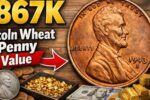
Lincoln Wheat Pennies by Year: The Lincoln Wheat penny, minted from 1909 to 1958, remains one of the most iconic coins in American numismatics. With its distinctive reverse design featuring two wheat stalks, it has become a favorite among collectors worldwide. While many examples are common and inexpensive, certain years and mintmarks hide extraordinary value. In 2025, the market continues to highlight these hidden treasures, making the Lincoln Wheat penny a fascinating series to explore.
Key Factors That Influence Value
The value of a Lincoln Wheat penny is shaped by rarity, condition, and collector demand. Coins with low mintages or unique varieties are naturally more valuable. Condition, measured by professional grading standards, can dramatically increase worth. A coin in Mint State condition may be worth hundreds of times more than the same coin in circulated condition. Collector demand also plays a role, with certain years gaining popularity due to historical significance or recent auction records.
Early Years and Rare Issues
The earliest years of the series contain some of the most valuable coins. The 1909-S VDB is legendary, with its limited mintage and distinctive designer initials. The 1914-D is another rarity, especially in higher grades. The 1922 No D penny, struck in Denver without a mintmark, is considered an error and commands strong premiums. These coins are cornerstones of any serious Lincoln Wheat collection.
Depression Era and Scarce Mintages
During the Great Depression, production numbers fluctuated, creating several scarce issues. The 1931-S, with its low mintage, is highly sought after. The 1936 doubled die obverse is another standout, prized for its dramatic doubling visible to the naked eye. Collectors in 2025 continue to pay significant premiums for these coins, especially in Mint State condition.
World War II and the 1943 Steel Penny
The 1943 steel penny is one of the most famous coins in American history. Produced to conserve copper for the war effort, these coins are common but historically significant. However, the 1943 copper penny, struck in error, is one of the rarest and most valuable coins in existence, with auction prices reaching into the millions. This coin remains a dream find for collectors.
Postwar Issues and Hidden Gems
The postwar years produced many common coins, but hidden gems exist. The 1955 doubled die obverse is one of the most dramatic and popular error coins in the series. Even in circulated condition, it commands high prices. Other doubled dies and repunched mintmarks from the 1940s and 1950s also attract collector interest, adding depth to the series.
Grading Standards and Their Impact
Professional grading services such as PCGS and NGC have standardized coin evaluation, making it easier to determine value. Grades range from Poor (P-1) to Mint State (MS-70). For Lincoln Wheat pennies, the difference between MS-63 and MS-65 can mean hundreds of dollars. Proof coins, produced in limited numbers, are graded separately and often carry significant premiums.
Market Prices in 2025
In 2025, common circulated Wheat pennies often sell for a few cents to a few dollars. Scarce dates and varieties, however, command much higher prices. A 1909-S VDB in MS-65 condition may sell for over ten thousand dollars. The 1914-D in similar condition can reach several thousand. The 1943 copper penny remains one of the most valuable coins in the world, with multimillion-dollar auction results. Even mid-tier rarities like the 1931-S or 1955 doubled die continue to show strong demand and rising values.
Collector Insights and Strategies
Collectors in 2025 approach Lincoln Wheat pennies with both passion and strategy. Some aim to build complete date-and-mintmark sets, while others focus on key rarities or error coins. Patience and research are essential, as rare coins appear infrequently. Networking with other collectors, attending coin shows, and following auction results are effective ways to stay informed. Many collectors also view Wheat pennies as a long-term investment, noting steady appreciation in value over decades.
Auction Highlights and Record Sales
Recent auctions have underscored the strength of the Lincoln Wheat penny market. High-grade examples of the 1909-S VDB and 1914-D have achieved impressive prices. The 1943 copper penny continues to set records, reinforcing its legendary status. These sales highlight the enduring appeal of Wheat pennies and the willingness of collectors to pay top dollar for exceptional coins.
Future Outlook
Looking ahead, the Lincoln Wheat penny market in 2025 appears vibrant and healthy. The combination of historical significance, rarity, and affordability makes these coins attractive to a wide range of collectors. While the most famous rarities will always command high prices, even modest collections can provide enjoyment and potential appreciation. As grading standards remain consistent and auction records continue to be set, Lincoln Wheat pennies are likely to remain a cornerstone of American numismatics.
Conclusion
The Lincoln Wheat penny is more than just a small copper coin. It represents history, artistry, and the enduring appeal of collecting. In 2025, hidden values continue to emerge, from rare dates and mintmarks to fascinating error coins. For collectors, the pursuit of Wheat pennies is both a financial opportunity and a journey into the story of American coinage. Whether building a complete set or hunting for legendary rarities, the Lincoln Wheat penny remains one of the most rewarding series in numismatics.