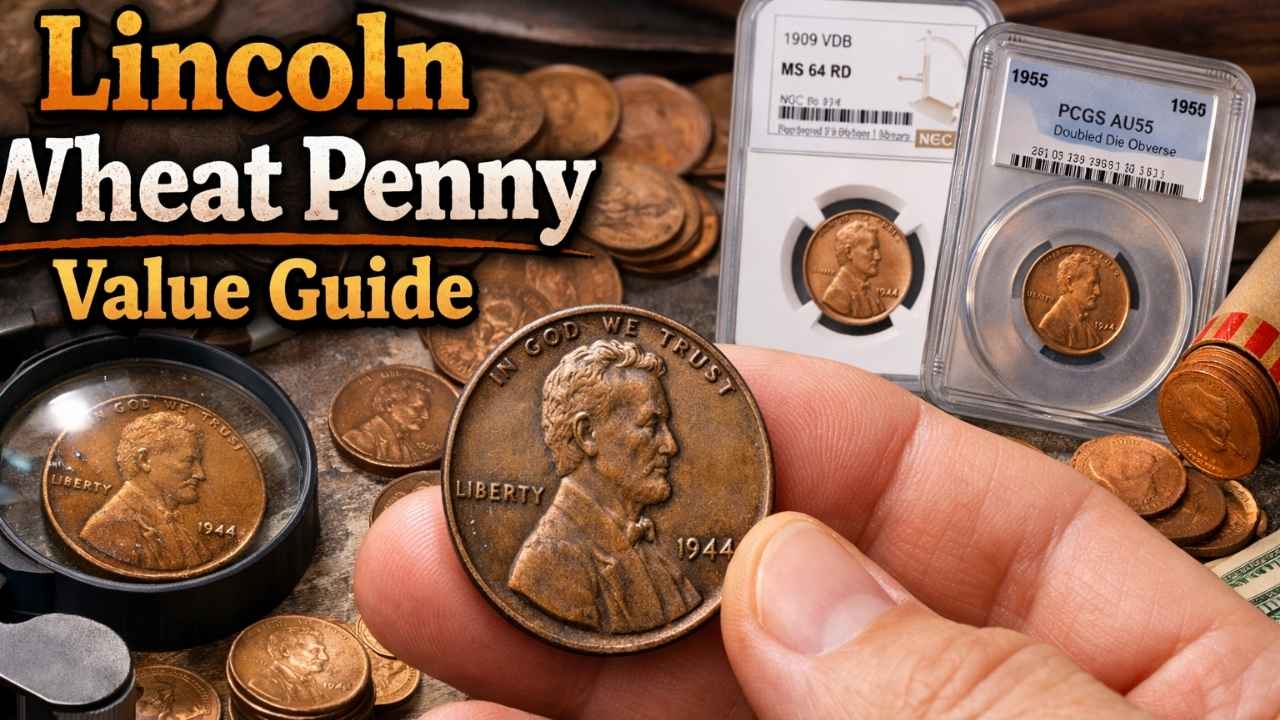
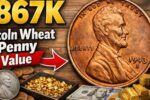
2026 Lincoln Wheat Penny Value Guide: The Lincoln Wheat Penny, minted from 1909 to 1958, remains one of the most beloved coins among collectors. Even in 2026, its charm has not faded. With its iconic design featuring Abraham Lincoln on the obverse and wheat stalks on the reverse, this penny is more than just small change—it is a piece of American history. For collectors, the value of a Wheat Penny depends on rarity, condition, mint mark, and historical significance. Let us explore the key dates, mint marks, and hidden treasures that make this coin series so fascinating.
The Birth of the Lincoln Wheat Penny
Introduced in 1909 to commemorate the centennial of Abraham Lincoln’s birth, the Wheat Penny was the first U.S. coin to feature a real person. Designed by Victor David Brenner, it quickly became a collector’s favorite. The earliest issues, especially those with the designer’s initials “VDB” on the reverse, are among the most sought-after coins today.
Key Dates Every Collector Should Know
Certain years stand out as milestones in Wheat Penny collecting. These coins are rare, valuable, and often the centerpiece of a collection.
- 1909-S VDB: The holy grail of Wheat Pennies. With only 484,000 minted in San Francisco, this coin is highly prized. Even in lower grades, it commands significant value.
- 1914-D: Scarce due to its low mintage of just over one million. High-grade examples are extremely valuable.
- 1922 No D: A Denver mint coin where the “D” mint mark was accidentally omitted. This variety is rare and highly collectible.
- 1931-S: With fewer than one million struck, it is one of the lowest mintage Wheat Pennies.
- 1955 Double Die Obverse: Famous for its dramatic doubling of the date and lettering. This error coin is one of the most popular varieties in U.S. coinage.
Mint Marks and Their Importance
Mint marks are small letters on coins that indicate where they were produced. For Wheat Pennies, mint marks can be found below the date on the obverse.
- No Mint Mark: Indicates Philadelphia. Many common Wheat Pennies were struck here.
- D: Denver Mint. Some of the rarest varieties, like the 1914-D, come from this mint.
- S: San Francisco Mint. Known for producing the 1909-S VDB and 1931-S, both highly collectible.
Collectors pay close attention to mint marks because they can dramatically affect a coin’s rarity and value.
Condition and Grading
The condition of a Wheat Penny is crucial in determining its worth. Coins are graded on a scale from Poor (P-1) to Mint State (MS-70). A coin with sharp details, minimal wear, and original luster will always be more valuable than one that is worn or damaged. For example, a 1909-S VDB in Good condition may be worth hundreds, while one in Mint State can fetch thousands.
Hidden Treasures in Everyday Change
One of the joys of collecting Wheat Pennies is the possibility of finding hidden treasures in circulation or old coin jars. While most Wheat Pennies are common and worth only a few cents, rare varieties occasionally surface. The thrill of discovering a 1955 Double Die or a 1922 No D in an unexpected place keeps collectors searching.
Market Trends in 2026
In 2026, the market for Wheat Pennies remains strong. Collectors continue to seek out key dates and error coins, driving prices upward. Online auctions and coin shows are popular venues for buying and selling. The rise of digital marketplaces has also made it easier for collectors worldwide to trade and acquire rare pieces. As demand grows, well-preserved coins with clear mint marks and strong details are commanding premium prices.

Tips for Collectors
- Learn to Identify Key Dates: Familiarize yourself with the rare years and varieties.
- Check Mint Marks Carefully: A small letter can make a huge difference in value.
- Invest in Quality: Higher-grade coins are more valuable and hold their worth better over time.
- Store Coins Properly: Use coin holders or albums to protect them from damage.
- Stay Informed: Follow market trends and auction results to understand current values.
The Legacy of the Wheat Penny
The Lincoln Wheat Penny is more than just a collectible coin. It represents a period of American history, from the early 20th century through World War II and beyond. Its design, rarity, and connection to Abraham Lincoln make it a timeless piece of numismatic art. For collectors in 2026, the Wheat Penny continues to offer excitement, challenge, and the possibility of hidden treasures.
Conclusion
The Lincoln Wheat Penny remains a cornerstone of coin collecting. With key dates like the 1909-S VDB and 1955 Double Die, mint marks that reveal hidden rarity, and treasures waiting to be discovered, it is a series that never loses its appeal. Whether you are a seasoned collector or just starting out, the Wheat Penny offers history, beauty, and value in every small copper coin. In 2026, its legacy endures, reminding us that even the smallest pieces of change can hold great significance.